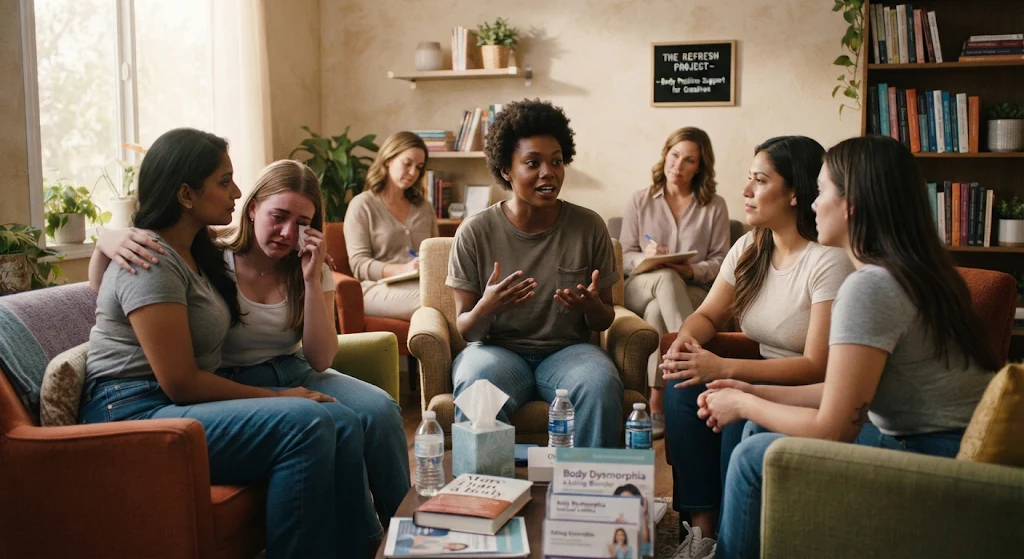
Professional modeling often places appearance at the center of career opportunities. From casting decisions and agency expectations to social media feedback and public scrutiny, models can face constant pressure to meet narrow standards of beauty. Over time, these expectations may affect more than professional confidence. They can contribute to negative body image, unhealthy eating behaviors, anxiety, depression, and substance use. Recognizing these risks is important because no career should require someone to sacrifice their physical or emotional health. With appropriate mental health treatment and individualized addiction recovery support, models can challenge harmful expectations, rebuild self-worth, and develop a healthier relationship with their bodies.
Understanding Body Image Pressure in the Modeling Industry
Body image refers to how a person sees, thinks, and feels about their physical appearance. While occasional dissatisfaction is common, persistent negative thoughts about weight, shape, or specific features can affect everyday life.
In modeling, appearance may influence professional opportunities. Models can receive feedback about measurements, body proportions, skin, or other physical characteristics. Although constructive professional feedback has a place in the industry, repeated criticism and unrealistic expectations can create an unhealthy environment.
How Industry Standards Can Affect Self-Esteem
When a person’s career seems closely connected to appearance, professional feedback can begin to feel like a judgment of personal worth. A model who is not selected for a campaign may assume that their body is the problem. Another may compare themselves constantly with colleagues, influencers, or edited images online.
Over time, these experiences can contribute to:
- Persistent dissatisfaction with physical appearance.
- Anxiety before castings, fittings, and photo shoots.
- Fear of gaining weight or changing body shape.
- Excessive comparison with other models.
- Social withdrawal and reduced confidence.
- Difficulty accepting compliments or positive feedback.
- Feeling that professional success depends entirely on appearance.
These experiences should not be dismissed as ordinary career stress. When negative body image begins affecting eating habits, relationships, emotional stability, or daily functioning, professional support may be necessary.
Recognizing When Body Image Concerns Become More Serious
There is an important difference between wanting to look professional and feeling compelled to control every aspect of physical appearance. The latter can become harmful, particularly when a person begins using extreme behaviors to meet expectations.
Warning Signs of Disordered Eating
Disordered eating involves unhealthy patterns, thoughts, or behaviors related to food and body weight. These behaviors can develop gradually, making them difficult to recognize at first.
Possible warning signs include:
- Skipping meals to change body weight or measurements.
- Following increasingly restrictive diets.
- Feeling guilt or fear after eating.
- Exercising excessively to compensate for food consumption.
- Avoiding meals with friends, family, or colleagues.
- Becoming preoccupied with calories, weight, or body measurements.
- Experiencing repeated cycles of restriction and overeating.
Not everyone with disordered eating has an eating disorder. However, persistent patterns deserve attention from qualified healthcare professionals. Eating disorders can have serious physical and psychological consequences, so early assessment is important.
The Emotional Impact of Negative Body Image
Body image concerns can also affect mental health. A model may experience anxiety before assignments, feel ashamed after receiving criticism, or struggle with persistent thoughts about appearance.
Some individuals may develop depressive symptoms, lose interest in activities they once enjoyed, or avoid social situations because they feel uncomfortable with their bodies.
These concerns can become especially difficult when models believe they must always appear confident and composed. Maintaining a professional image may make it harder to acknowledge personal struggles or ask for help.
How Body Image Pressure Can Increase the Risk of Substance Use
When emotional distress becomes difficult to manage, some individuals turn to alcohol or other substances for temporary relief. In the modeling industry, social events, demanding schedules, travel, and performance expectations may create additional opportunities for substance use.
For example, someone experiencing anxiety before a casting might drink to feel more relaxed. Another person may misuse prescription medication or stimulants in an attempt to manage exhaustion or control appetite.
Although these behaviors may seem helpful in the short term, they can create more serious problems.
Understanding the Connection Between Addiction and Emotional Distress
Substance use can become a way to avoid difficult thoughts and feelings. However, alcohol and drugs do not resolve the underlying concerns that contribute to negative body image or emotional distress.
Repeated use can lead to cravings, dependence, impaired judgment, disrupted sleep, and worsening mental health. It may also make it harder to maintain healthy eating habits and professional responsibilities.
When substance use and mental health concerns occur together, treatment should consider both. Addressing addiction without examining the emotional pressures behind it may leave important recovery needs unresolved.
Challenging Unrealistic Beauty Standards Without Abandoning Career Goals
Models do not necessarily have to leave the industry to protect their health. However, they may need to reconsider the expectations they accept and establish boundaries that support their well-being.
Changing the way someone thinks about appearance takes time. It also requires practical steps and, in some cases, professional guidance.
Separate Personal Worth From Professional Feedback
A casting decision, campaign rejection, or critical comment does not define a person’s value. Modeling opportunities depend on many factors, including client preferences, project requirements, timing, and commercial considerations.
Learning to view professional feedback in context can help reduce the emotional impact of rejection. It may also help models develop confidence that is not entirely dependent on external approval.
Be Selective About Social Media and Appearance Comparisons
Social media can intensify body image concerns through edited photographs, unrealistic comparisons, and constant exposure to appearance-focused content.
Models can protect their mental health by limiting accounts that encourage unhealthy comparison and spending more time with people who support them beyond their professional image.
It can also help to remember that photographs often involve professional lighting, editing, styling, and posing. They do not provide a complete or realistic picture of another person’s everyday life.
Establish Healthy Boundaries Around Work
Professional ambition should not require constant exhaustion or harmful changes to physical health. Models can benefit from setting reasonable limits around work commitments, rest, meals, exercise, and personal time.
When industry expectations begin affecting health, discussing concerns with trusted professionals or support networks can help individuals make informed decisions.
When to Seek Professional Mental Health and Addiction Treatment
Seeking help does not mean someone has failed to meet professional expectations. It means recognizing that certain concerns deserve attention before they become more disruptive.
A qualified healthcare professional can assess body image concerns, eating behaviors, substance use, and mental health symptoms. This assessment helps determine what type of treatment may be appropriate.
Inpatient Treatment for More Intensive Support
Inpatient treatment may be appropriate for individuals who need a structured environment and consistent professional support. It can provide an opportunity to step away from stressful routines and focus on recovery.
This level of care may be considered when substance use has become difficult to control, withdrawal requires medical supervision, or mental health symptoms significantly interfere with daily functioning.
When an eating disorder or serious nutritional concern is also present, specialized medical and nutritional assessment is essential. Not every addiction treatment program provides the medical services required for eating disorder care. Providers should coordinate appropriate treatment when multiple conditions are involved.
Outpatient Treatment for Continued Care
Outpatient treatment allows individuals to receive professional support while maintaining appropriate responsibilities at home or work. Depending on the program, care may include counseling, recovery planning, group support, and ongoing mental health services.
For models with changing schedules or professional commitments, outpatient care may offer a practical way to maintain treatment while continuing daily activities. However, the appropriate level of care should always depend on clinical needs and safety, rather than convenience alone.
The Value of Individualized, Holistic, and Faith-Based Recovery
No two models experience body image pressure in exactly the same way. One person may struggle with restrictive eating, while another may experience anxiety, depression, or substance use related to professional stress.
Individualized treatment considers these differences. Rather than focusing on a single behavior, it looks at the personal circumstances, emotional concerns, health needs, and recovery goals that influence each person’s experience.
A broader recovery plan may also include attention to physical wellness, healthy routines, supportive relationships, and stress management. These elements can help individuals develop healthier ways to respond to difficult situations.
For those who value spirituality, faith-based support may provide additional encouragement, purpose, and connection. Spiritual practices can complement professional care when they align with an individual’s beliefs and preferences.
Most importantly, recovery should never depend on meeting another appearance standard. The goal is to support health, stability, and a more positive relationship with oneself.
Building a Healthier Identity Beyond Appearance
One of the most important steps in recovery is recognizing that personal identity extends far beyond professional image. A model is more than a clothing size, a portfolio, a social media following, or a list of completed assignments.
Developing interests outside the industry can help restore a sense of balance. Meaningful friendships, creative activities, education, family relationships, and personal goals can all contribute to a stronger sense of identity.
It is also important to maintain professional support when recommended. Recovery is an ongoing process, and familiar work environments or appearance-related criticism may bring old concerns back to the surface. Recognizing triggers and having a plan for responding to them can help protect progress.
Take the First Step Toward Better Mental Health and Recovery
The modeling industry may place significant value on appearance, but physical measurements and professional opportunities should never determine a person’s worth. Persistent body dissatisfaction, disordered eating, anxiety, depression, and substance use are serious concerns that deserve appropriate attention.
A Florida Star focuses on addiction recovery and mental health support through inpatient and outpatient care, individualized treatment, and holistic and faith-based approaches. For models experiencing emotional distress or substance use concerns, exploring professional support can be an important step toward better health.
If body image pressures are affecting your well-being, you do not have to manage those struggles alone. Speaking with a qualified professional can help you understand what is happening and identify an appropriate path forward. Recovery is not about creating a more acceptable image for the industry. It is about building a healthier life in which your confidence, identity, and future are not controlled by someone else’s definition of beauty.